Film Information
Title: Roofman
Director: Derek Cianfrance
Cast: Channing Tatum, Kirsten Dunst, Peter Dinklage
Year: 2025
Genre: Crime, Indie Drama, Based on a True Story
Country: United States
Roofman is one of those indie films that doesn’t try to be bigger than it is; and that honesty becomes its strength. It’s modest, straightforward, and grounded in a true story strange enough to stay interesting on its own. The performances are solid rather than exceptional, the tone is steady, and the film quietly grows on you as it unfolds.
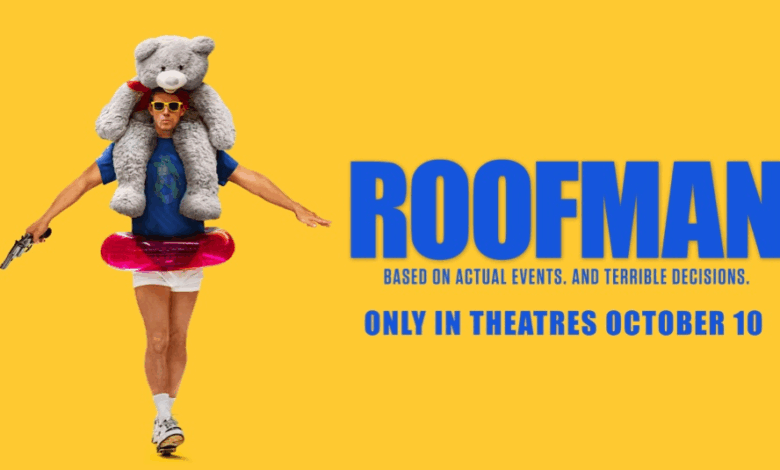
Based on the real-life case of Jeffrey Manchester – a man who entered fast-food restaurants through their roofs and later hid for months inside a toy store – the film leans into the oddness and humanity of the true story. Derek Cianfrance directs with restraint, avoiding sensationalism. Instead of turning the story into an action-heavy crime thriller, he keeps it intimate and character-driven. There’s a subtle mix of melancholy, humor, and low-key tension that suits the material well.
Channing Tatum delivers a believable performance as Jeffrey. He isn’t flashy, but he captures the combination of naïveté, confusion, and quiet desperation that defines the character. Kirsten Dunst adds emotional warmth, playing a woman who unexpectedly becomes part of Jeffrey’s chaotic life. Peter Dinklage gives the supporting cast real weight, grounding the film whenever it risks drifting into lighter territory. The acting overall isn’t extraordinary, but it is consistently credible; and credibility is exactly what a film like this needs.
Psychologically, Jeffrey is the core of the movie. He feels like someone who slipped through the cracks of his own life; caught between responsibility and escape. His crimes don’t stem from greed or violence but from a complicated blend of thrill-seeking, loneliness, and avoidance. The film doesn’t try to over-analyze him, yet it leaves enough space for the audience to sense the inner fractures beneath his actions.
Leigh, the woman he meets and grows close to, acts as a counterpoint: grounded, cautious, flawed, and real. Their relationship adds a human layer to the story, shifting the film from “a criminal on the run” to “a man trying, and failing, to figure himself out.” Through her, the narrative hints at a simple truth: even people who are hiding still want to be seen.
Stylistically, Roofman stays true to its indie roots. The cinematography is calm, the lighting natural, and the pacing unhurried. Nothing calls attention to itself; everything serves the story. There’s no unnecessary polish, but there’s no sloppiness either. It feels like a film made with intention; not to impress, but to portray.
In the end, Roofman is a good film; not a masterpiece, not a spectacle, but a sincere, well-crafted story about an odd real-life figure. It respects the audience, respects its subject, and finds charm in simplicity. If you enjoy character-driven films based on true events, this one is worth watching. It won’t overwhelm you, but it will stay with you for a moment afterward, as you think about how one strange choice can send a life spiraling in unexpected directions.