Film Information
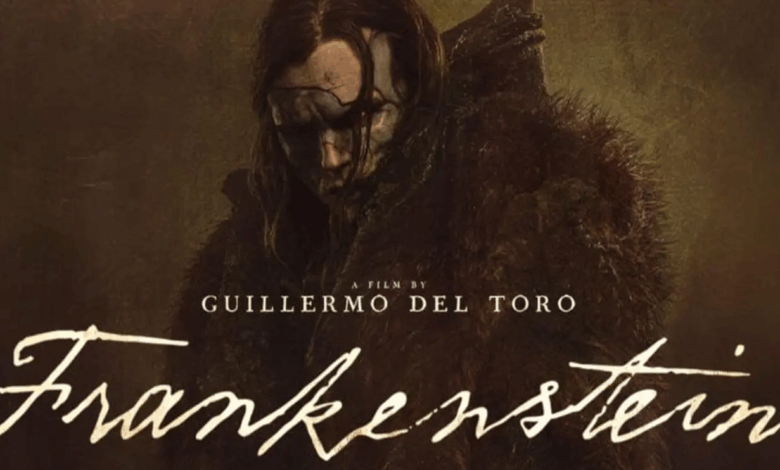
Title: Frankenstein
Director: Guillermo del Toro
Cast: Oscar Isaac (Victor Frankenstein), Jacob Elordi (the Creature), Mia Goth
Year: 2025
Genre: Gothic Drama / Science Fiction / Psychological Tragedy
Country: United States
Guillermo del Toro’s Frankenstein (2025) feels like a film suspended between vision and hesitation. It’s gorgeous to look at – a dark, textured, and beautifully built world – yet narratively uneven and emotionally detached. It’s the kind of movie you admire for its craft but struggle to feel fully invested in. For me, it was a good and well-made film with solid performances, but the screenplay suffered from hurried character transformations that robbed it of emotional depth.
Del Toro once again demonstrates his unmistakable aesthetic: the fusion of horror and tenderness, the ability to find beauty within monstrosity. But unlike The Shape of Water or Pan’s Labyrinth, where imagination and emotion coexisted in balance, here the weight of visual design outweighs the storytelling. Every frame is exquisite, every shadow deliberate, yet the heart of the story beats faintly beneath the spectacle.
The first act is masterful in tone. Del Toro captures Victor Frankenstein’s isolation and obsession with an intensity that pulls you in. Oscar Isaac delivers one of his more layered performances; oscillating between brilliance and madness, ambition and regret. However, the film rushes his emotional arc: Victor leaps from scientist to penitent almost overnight, skipping the moral struggle that should anchor the tragedy. When remorse arrives, it feels abrupt, not earned.
Jacob Elordi’s portrayal of the Creature is haunting in appearance – gentle voice, tragic eyes, a body caught between flesh and machinery. Yet the script doesn’t give him enough time to evolve. His transformation from monster to philosopher happens too quickly, as though condensed for pacing rather than built from experience. In Mary Shelley’s novel, the Creature’s awakening is gradual and devastating; here, it’s poetic but superficial, more aesthetic than existential.
Psychologically, Frankenstein (2025) had immense potential. The relationship between creator and creation is fertile ground for exploring guilt, control, and loneliness – themes Del Toro understands better than most filmmakers. But the screenplay glosses over the complexity of this dynamic. Victor never becomes a full embodiment of human arrogance, nor does the Creature fully transcend his own tragedy. Their confrontation feels brief when it should have been the film’s emotional summit.
From a narrative-psychological view, both characters are mirrors of each other: Victor’s desire to conquer death is an act of denial, while the Creature’s craving for love is a reflection of Victor’s own emptiness. Yet because their transformations happen so abruptly, the film loses the tension between those drives. Instead of a slow, painful moral reckoning, we get sudden catharsis.
Technically, though, the film is remarkable. The production design is lush, blending Gothic darkness with modern texture. The color palette – cold blues, burning golds, and dim candlelight – creates a world that feels both decaying and alive. The sound design, particularly the faint mechanical rhythm that follows the Creature, adds an unsettling beauty. The cinematography is rich, but the editing occasionally undermines the rhythm, jumping between scenes without emotional transition.
Still, the acting grounds the film whenever the writing falters. Oscar Isaac captures Victor’s intellectual arrogance with magnetic precision, and his breakdown scenes convey a believable vulnerability. Elordi brings unexpected gentleness to the role of the Creature, avoiding the cliché of pure horror. Together, they give the film its fragile humanity, even when the script moves faster than it should.
Emotionally, Frankenstein (2025) leaves you halfway satisfied; impressed by what you’ve seen but wishing for more of what you could have felt. It’s a film that wants to be both philosophical and accessible, yet it doesn’t fully commit to either. The aesthetic ambition is undeniable, but the character development feels unfinished, as though trapped between concept and execution.
By the end, Del Toro delivers another world steeped in melancholy; a place where monsters are misunderstood and creators are consumed by guilt. Yet this time, the emotions don’t quite pierce the surface. Frankenstein (2025) is a good film – even a beautiful one – but not a great one. It’s intelligent, heartfelt, and visually unforgettable, but its characters change too easily, too soon, leaving us with a sense of awe rather than ache.