A Race to the Edge of Survival: When the Idea Is Brilliant but the Emotion Feels Distant

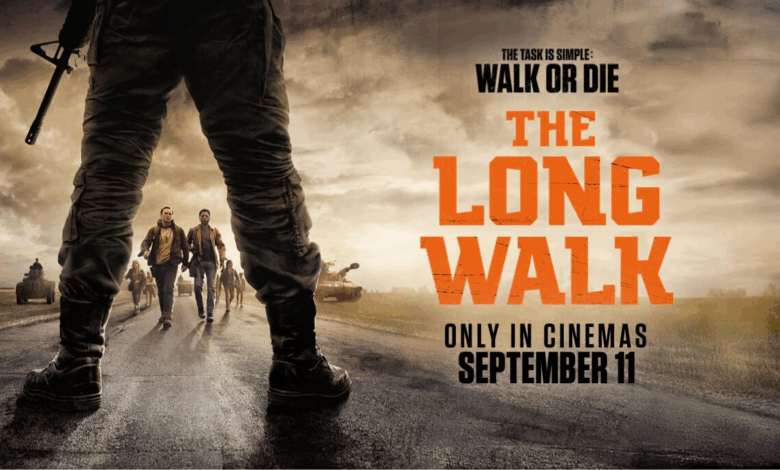
The Long Walk is one of those films that hooks you with its premise right away. A group of young people is forced to take part in a deadly competition where they must keep walking; if they stop, they die. That single sentence is enough to fill your mind with questions and anticipation. Based on Stephen King’s novel, the story walks a fine line between dystopian fantasy and grim realism.
From its first scenes, the film unfolds with quiet precision. The pacing is deliberate, and you can sense the director’s focus on the psychological tension rather than pure spectacle. Every step, every breath, and every pause matters. It’s the kind of filmmaking that feels measured and confident; not flashy, not sentimental, but aware of the meaning behind every image.
The performances are solid throughout. None of them stand out as extraordinary, but they are consistent and believable. Especially in the film’s second half, as exhaustion turns to madness, the young actors manage to convey the breakdown of body and mind. You can feel the growing silence, the shared despair, and the unspoken acceptance that not everyone will make it to the end.
Beneath its surface, The Long Walk isn’t just about competition. It’s about the structure of control, the collective anxiety of survival, and humanity’s endless urge to keep going; even when there’s nowhere left to go. In its psychological dimension, the film becomes a reflection of modern life: a world where stopping means failure, and people run endlessly toward unclear goals. That’s what gives the film its haunting resonance.
Despite its strengths, the film sometimes loses momentum. Certain moments feel too self-conscious, too philosophical for their own good, as if the movie wants to make sure you “get” the message rather than letting it sink in naturally. But this flaw doesn’t overshadow the accomplishment. The director has taken a simple idea and turned it into something thoughtful; an allegory that invites reflection without shouting its meaning.
Technically, the cinematography and editing deserve praise. The camera moves close to faces, capturing the smallest tremors of exhaustion. The color palette is cold, drained, and relentless, matching the film’s emotional temperature. The editing builds rhythm, the sound design feels alive, and the production design communicates both vastness and confinement. It’s a world that feels at once endless and suffocating.
In the end, The Long Walk is a film built on a powerful idea, executed with care, and carried by competent performances. It may not be perfect — its pacing sometimes slows, its emotions sometimes feel distant — but it has something many thrillers lack: a sense of purpose. Watching it feels like being part of the walk itself, long, exhausting, and strangely hypnotic. You might not remember every scene, but the feeling of endurance, of quiet determination against inevitable loss, stays with you long after the credits fade.
IMDB